Embark on a journey to explore Tax-Efficient Wealth Management Advice for Expats Living in Europe and Asia, where financial strategies are tailored to optimize wealth growth while navigating diverse tax regulations.
Delve into the nuances of tax-efficient wealth management and discover key insights to enhance your financial well-being as an expat in Europe and Asia.
Tax-Efficient Wealth Management Advice for Expats Living in Europe and Asia
Tax-efficient wealth management is crucial for expats living in Europe and Asia to effectively manage their finances while maximizing wealth growth. By understanding the tax regulations in both regions and implementing appropriate strategies, expats can minimize tax liabilities and secure their financial future.Key Differences in Tax Regulations Between Europe and Asia for Expats
- Europe tends to have higher tax rates compared to Asia, with varying tax brackets and deductions for expats.
- Asia may offer more tax incentives and exemptions for expats, depending on the country of residence.
- Double taxation agreements between countries play a crucial role in determining how expats are taxed on their income and investments.
Strategies for Minimizing Tax Liabilities While Maximizing Wealth Growth
- Utilizing tax-deferred investment accounts such as retirement savings plans to lower taxable income.
- Diversifying investments to take advantage of tax-efficient options like index funds or ETFs.
- Regularly reviewing and adjusting investment portfolios to optimize tax efficiency based on changing regulations.
Tax-Efficient Investment Vehicles Suitable for Expats in Europe and Asia
- Offshore investment accounts can provide tax benefits for expats by allowing them to invest in foreign markets with potentially lower tax rates.
- Real estate investment trusts (REITs) offer a tax-efficient way to invest in properties without the burden of direct ownership.
- Tax-advantaged bonds or securities specific to certain countries can provide expats with opportunities for tax savings while generating income.
Understanding Tax Laws in Europe and Asia
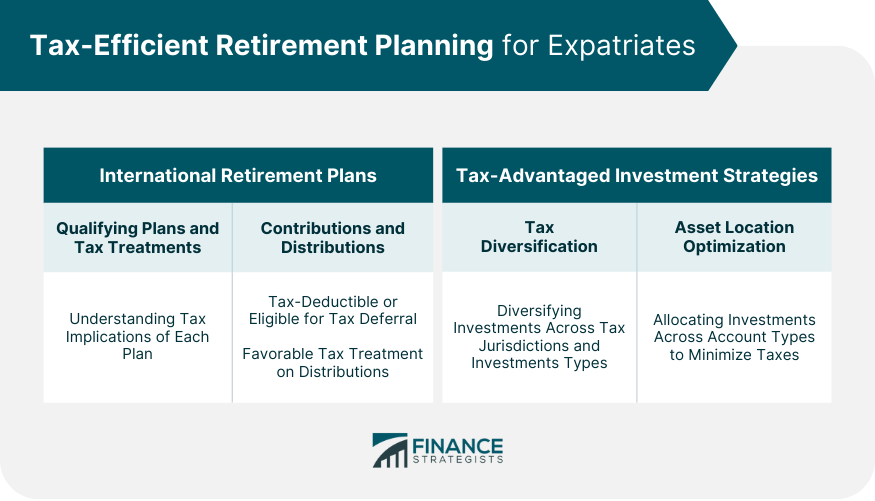 When it comes to tax laws for expats living in Europe and Asia, it's essential to understand the implications in popular countries and regions to ensure compliance and optimize financial strategies.
Tax Implications in Popular European Countries
- The United Kingdom: Expats in the UK are subject to income tax, capital gains tax, and inheritance tax. Understanding the residency rules is crucial to determine tax obligations.
- Germany: Expats in Germany are taxed on their worldwide income. Double taxation treaties help prevent double taxation on income earned in both Germany and the expat's home country.
- France: Expats in France are subject to income tax on a progressive scale. Wealth tax may also apply to high net worth individuals residing in France.
Tax Systems in Popular Asian Expat Destinations
- Singapore: Expats in Singapore are taxed on income earned in the country. The progressive tax system and various tax incentives make it an attractive destination for expatriates.
- Hong Kong: Hong Kong follows a territorial tax system, meaning only income earned within the region is subject to tax. This can provide tax advantages for expats working in Hong Kong.
- Japan: Expats in Japan are taxed on their worldwide income if they are considered a resident for tax purposes. Understanding the residency rules is crucial to determine tax liabilities in Japan.
Double Taxation Treaties and Residency Rules
- Double Taxation Treaties: These treaties help prevent expats from being taxed on the same income in both their host country and their home country. Understanding these treaties is essential to avoid double taxation.
- Residency Rules: Residency rules vary by country and can impact an expat's tax obligations. Meeting the criteria for tax residency can determine the extent of tax liability in a particular country.
Wealth Management Strategies for Expats
When it comes to managing wealth as an expat in Europe and Asia, there are several strategies that can help you optimize your financial situation and minimize tax exposure. One key aspect is diversifying your investment portfolio to spread risk and reduce tax liabilities. Additionally, utilizing trusts and offshore accounts can play a significant role in tax planning for expats. Real estate investments also offer tax efficiency benefits in these regions. Finally, having a solid retirement plan and understanding pension schemes available for expats can help secure your financial future.Diversifying Investment Portfolios
- Invest in a mix of assets such as stocks, bonds, and real estate to minimize risk.
- Consider international investments to take advantage of different tax regulations.
- Utilize tax-advantaged accounts like IRAs and 401(k)s if applicable.
Role of Trusts and Offshore Accounts
- Trusts can help protect assets and reduce tax liability for expats.
- Offshore accounts can provide privacy and potentially lower tax rates.
- Consult with a financial advisor to ensure compliance with all regulations.
Benefits of Real Estate Investments
- Real estate can provide a stable income stream and potential tax deductions.
- Investing in property in countries with favorable tax laws can increase tax efficiency.
- Consider rental properties or real estate investment trusts (REITs) for diversification.
Retirement Planning and Pension Schemes
- Start planning for retirement early and contribute regularly to retirement accounts.
- Research pension schemes available in your host country and understand how they work.
- Consider consulting with a financial planner to create a customized retirement plan.
Last Point

In conclusion, Tax-Efficient Wealth Management Advice for Expats Living in Europe and Asia offers a roadmap to financial success, blending tax optimization with strategic wealth growth to secure a prosperous future.
FAQ Explained
How can tax-efficient wealth management benefit expats living in Europe and Asia?
By minimizing tax liabilities and maximizing wealth growth, expats can enhance their financial stability and secure their future effectively.
What are some common tax differences between Europe and Asia that expats should be aware of?
European countries like the UK, Germany, and France have distinct tax systems compared to popular Asian expat destinations such as Singapore, Hong Kong, and Japan, leading to varying implications for expats.
Why are real estate investments considered beneficial for tax efficiency in Europe and Asia?
Real estate investments offer tax advantages and potential growth opportunities, making them a strategic choice for expats looking to optimize their wealth management.